
Hydrosmart solves difficult hard water problems using
- No Chemicals
- No Filters
- No Maintenance
Hydrosmart physical water conditioning system is a simple, sustainable and effective approach to conditioning water. By applying it you get the advantages of using a hard water treatment technology that requires no chemicals, no filters and no maintenance.
Thousands of satisfied customers worldwide are benefiting from this proven technology. Hydrosmart is based on particle physics research which has established that scale layers and corrosion problems are related to how well minerals in water are dissolved. Hydrosmart dissolves a broad range of minerals. Subsequent application of the technology by crop growers has demonstrated that better-dissolved minerals also confer a distinct growth advantage for living organisms.
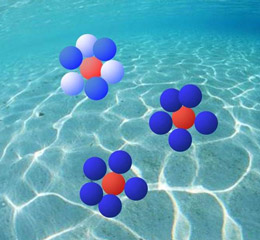
Many problems with hard water are caused by bonding between dissolved minerals or elements. This bonding results in the formation of precipitates.
In other words Hydrosmart frequencies disrupt bonding between minerals and elements, without the use of chemicals or consumables.
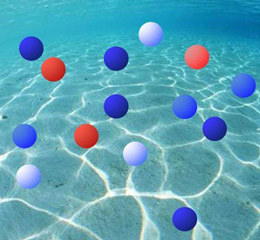
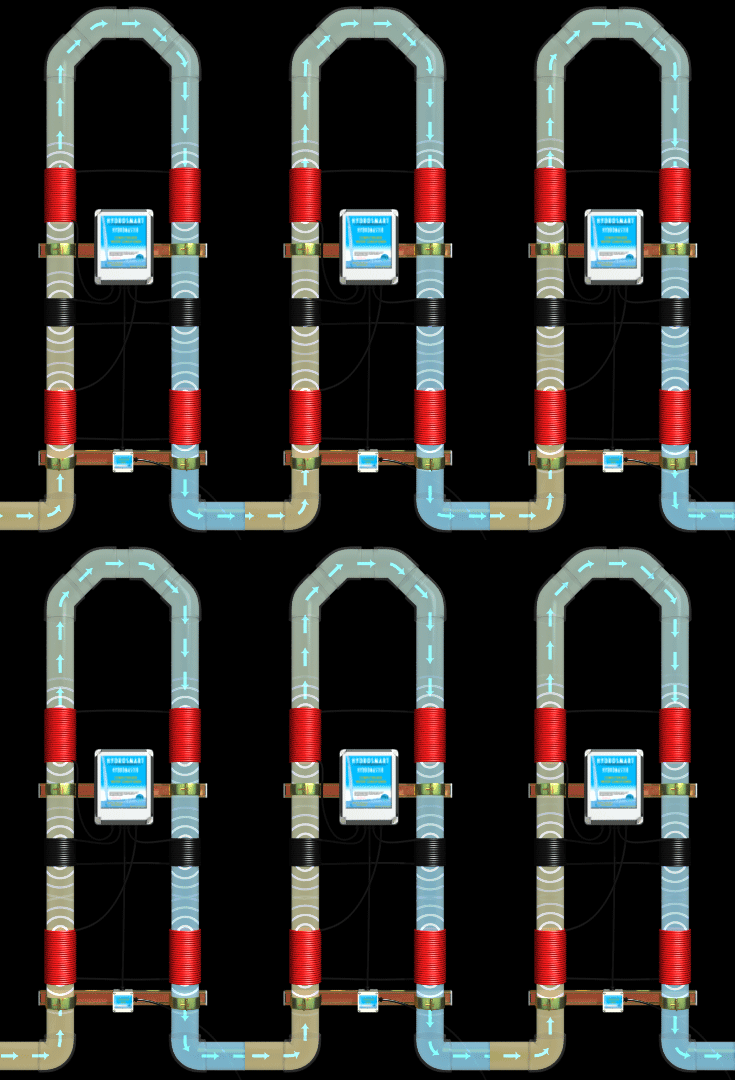
Hydrosmart utilizes a series of computer generated resonance frequencies to disrupt bonding between minerals and charged compounds. This neutralizes mineral precipitation, decreases deposition of scale and oxides, and also opposes corrosion.
A Hydrosmart microprocessor unit produces resonance frequencies that are focused on the water flow via antennae wound in tight coils around your water pipe. There are no reject streams, no pressure losses and no flow restrictions.
Frequency effects remain in treated water for up to 5 days and progressively break down bonds of any mineral deposits already formed. Calcium and iron scale in pipes and equipment that are connected to the treated flow becomes loosened within a period of months. The loosened minerals then break free and exit the pipe with the water, rather than continuing to clog the pipe or equipment.
Hydrosmart uses a broad spectrum of ULF and VLF radio frequencies to stop mineral bonds forming.

By using resonance frequencies that specifically dissolve minerals, Hydrosmart reduces crystal and particle sizes.
With the bonding mechanism within crystals disrupted, large mineral crystals and compounds are reduced to sub micron particles. This tiny particle size enables the flow to assume the properties of soft water and makes possible a wide range of commercial, agricultural, industrial, lifestyle and health benefits.

Computer generated resonance frequencies break the mineral bonds much like sound waves shatter glass.
As well as acting on minerals, the resonance technology also acts on water directly, by affecting the natural dipole of water molecules. Resonated water greatly enhances the growth of plants and also improves the health of animals. Scientific trials of this technology have been conducted on crops, showing dramatic improvements in crop health.
Hydrosmart frequencies disrupt bonding between minerals and elements, without the use of chemicals or consumables.